 :
:  :
: 
Pure Term Insurance Plan

Pure Term Insurance Plan
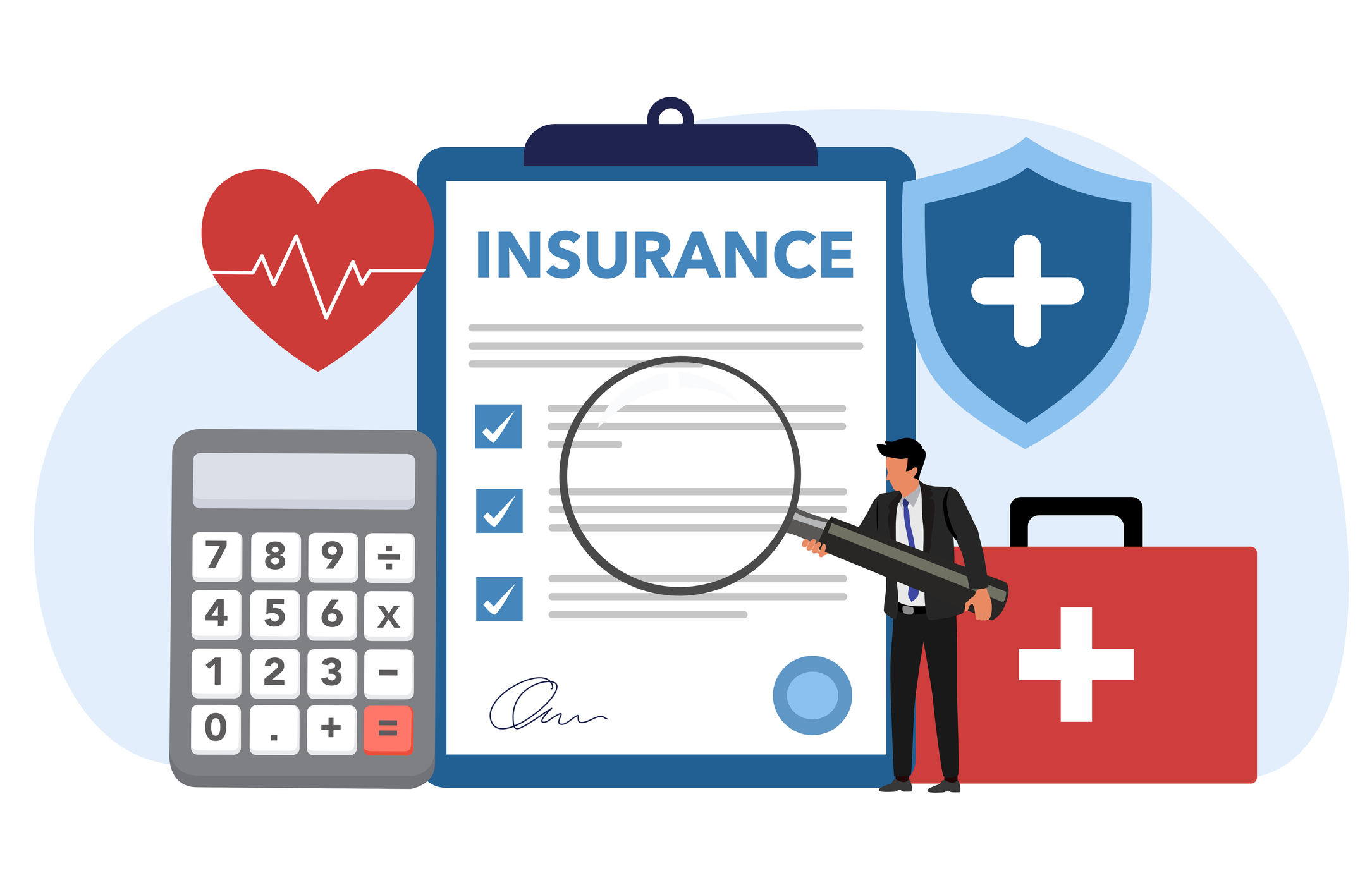
Pure term insurance is a straightforward life cover that offers financial protection to your family in case of your untimely demise. It focuses purely on providing security, without any savings or investment component, making it both simple and affordable.
In this blog, we’ll explain what pure term insurance is, how it works, who should consider it, and why it remains one of the most practical choices for long-term security.
What Is a Pure Term Insurance Plan?
A pure term insurance plan is a life insurance policy designed solely to provide financial protection for a fixed period. In the event of the policyholder’s death during the term, the insurer pays the predetermined sum assured to the nominee. However, if the policyholder survives the term, no benefit is payable. The plan does not include any investment or savings element and is intended purely for risk coverage at an affordable cost.
Key highlights of Pure Term Insurance:
- Provides death benefit only
- No maturity or survival value
- Offers high cover at low premiums
A pure term plan is therefore a cost-effective means of securing a family’s financial stability without any investment-linked component.
Benefits of Pure Term Insurance Plan
- Affordable Financial Protection: Pure term insurance offers a high life cover at relatively low premiums, making it one of the most cost-effective ways to secure your family’s financial future.
- Comprehensive Life Coverage: In the unfortunate event of the policyholder’s demise during the policy term, the nominee receives the sum assured, helping cover living expenses, debts, and future financial goals.
- Income Replacement for Dependents: The payout can help maintain your family’s standard of living by replacing the loss of income and ensuring financial stability.
- Flexible Coverage Options: Policyholders can choose coverage amounts and policy terms based on their age, income, liabilities, and long-term financial objectives.
- Tax Benefits: Premiums paid and benefits received may qualify for tax advantages under applicable tax laws, subject to prevailing regulations.
- Peace of Mind: Knowing that your loved ones are financially protected against uncertainties allows you to focus on achieving your personal and professional goals with confidence.
Tax Benefits of Pure Term Insurance Plans in India
- Tax Deduction on Premiums: Premiums paid towards a pure term insurance plan are eligible for tax deductions under Section 80C of the Income Tax Act, up to the prescribed limit.
- Tax-Free Death Benefit: The death benefit received by the nominee is generally tax-exempt under Section 10(10D), subject to applicable conditions.
- Higher Savings Potential: Tax benefits help reduce your overall tax liability while ensuring financial protection for your family.
- Dual Advantage: Enjoy the combined benefit of life coverage and tax savings through a single financial product.
- Long-Term Financial Planning: Tax-efficient protection makes term insurance an essential component of a well-rounded financial plan.
Key Features of Pure Term Insurance
Pure term insurance policies are structured to offer comprehensive protection through simple and transparent terms. The following features typically define such plans:
- High coverage at affordable premiums: Offers substantial life insurance coverage at relatively low costs.
- Flexible policy tenure: Coverage can be chosen for 10, 20, 30 years, or up to a specific age.
- Customisable sum assured: Enables policyholders to select a cover amount tailored to their specific financial needs.
- Flexible payout options: Death benefits may be received as a lump sum, periodic income, or a combination of both.
- Tax benefits: Premiums qualify for deductions under Section 80C, while death benefits are exempt under Section 10(10D).
- Optional riders: Additional protection through riders such as accidental death, disability, or critical illness cover.
- Simplified purchase process: Most insurers offer quick issuance through online platforms.
- Renewal and conversion options: Certain plans allow policy renewal or conversion into longer-duration cover.
In essence, a pure term insurance plan focuses on long-term financial protection through minimal cost and maximum clarity.
Optional Riders Available with Pure Term Insurance
- Accidental Death Benefit Rider: Provides an additional payout over and above the base sum assured if the insured passes away due to an accident.
- Accidental Total & Permanent Disability Rider: Offers financial support if an accident results in permanent disability, helping manage income loss and rehabilitation expenses.
- Critical Illness Rider: Pays a lump-sum benefit upon diagnosis of specified critical illnesses, helping cover treatment and recovery costs.
- Terminal Illness Rider: Provides an advance payout if the insured is diagnosed with a terminal illness, offering financial support during a difficult time.
- Waiver of Premium Rider: Future premiums are waived if the policyholder suffers a specified disability or critical illness, while coverage continues.
- Income Benefit Rider: Ensures regular monthly income to the nominee for a predefined period, helping meet ongoing household expenses.
- Enhanced Protection: Riders allow policyholders to customize their term plan based on individual needs and life-stage requirements. *Note- Rider options, coverage, and benefits are subject to the insurer’s product offerings and policy terms.
Eligibility Criteria for Pure Term Insurance Plans
- Minimum Entry Age: Individuals must meet the minimum age requirement specified by the insurer, typically starting from 18 years.
- Maximum Entry Age: Most insurers allow entry up to a certain age limit, which varies by plan and provider.
- Income Criteria: Applicants may need to provide proof of income to determine the appropriate sum assured and ensure affordability.
- Medical Assessment: Depending on age, coverage amount, and health profile, applicants may be required to undergo medical tests.
- Health Declaration: Accurate disclosure of current and past medical conditions, lifestyle habits, and family medical history is essential.
- KYC Documentation: Valid identity, address, age, and other mandatory KYC documents must be submitted during the application process.
- Insurability Assessment: Final eligibility is subject to the insurer’s underwriting guidelines, risk evaluation, and acceptance criteria.
- Policy-Specific Conditions: Eligibility requirements may vary across insurers and term insurance plans.
*Eligibility criteria may vary depending on the insurer, policy type, age, health condition, and underwriting requirements.
How to Choose the Right Term Insurance Plan
Selecting the right term insurance plan requires careful evaluation of both personal and policy-specific factors. The following aspects can help you make an informed decision:
- Coverage requirement: Assess your financial liabilities, income, and dependents’ future needs before deciding the sum assured.
- Policy tenure: Choose a term that aligns with key milestones such as retirement, loan repayment, or children’s education.
- Premium affordability: Ensure that the premium amount fits within your long-term financial capacity.
- Claim settlement ratio: Opt for insurers with a strong record of settling claims promptly and fairly.
- Add-on benefits: Consider riders like accidental death or critical illness cover to enhance your protection further.
- Inflation impact: Factor in future value erosion to avoid being underinsured over time.
- Insurer reputation: Consider the company’s financial stability, customer service, and digital accessibility.
- Tax implications: Understand the deductions and exemptions available under current tax laws.
A thorough assessment of these factors ensures that the plan you choose offers adequate, long-term financial security aligned with your family’s needs.
Pure term insurance remains one of the most effective ways to secure a family’s financial future through comprehensive protection at minimal cost. By understanding its structure, features, and suitability, policyholders can make well-informed decisions that balance affordability with long-term security.
Why Every Primary Breadwinner Needs Pure Life Insurance
For most families, the primary breadwinner is the backbone of household finances. Their income supports daily living expenses, loan repayments, children's education, healthcare needs, and long-term financial goals. In today's uncertain world, a pure life insurance plan serves as a crucial financial safety net, ensuring that loved ones remain financially secure even in the policyholder's absence.
Key Reasons Why It Is Essential:
- Income Replacement: Helps replace the loss of income and ensures the family can continue meeting essential expenses without financial disruption.
- Protection Against Rising Costs: With increasing inflation, education expenses, and healthcare costs, a substantial life cover helps families maintain their standard of living.
- Outstanding Loan Coverage: Helps repay liabilities such as home loans, car loans, and personal loans, preventing financial burden on dependents.
- Children's Future Security: Ensures funds are available for important milestones such as higher education, professional courses, and marriage.
- Financial Independence for Dependents: Provides a lump-sum payout that can help family members remain financially stable during challenging times.
- Affordable High Coverage: Pure term insurance offers a large sum assured at comparatively low premiums, making it a cost-effective protection solution.
- Peace of Mind: Allows the breadwinner to focus on achieving life goals knowing their family's financial future is protected.
Why It Matters More Today
- Rising living costs and inflation can significantly impact a family's financial stability.
- Many households rely on a single or primary income source, increasing financial vulnerability.
- Increasing loan commitments and lifestyle expenses make adequate financial protection more important than ever.
- Longer life goals, such as higher education and retirement planning, require sustained financial support even in unforeseen circumstances.
Disclaimer
Insurance is the subject matter of solicitation. For more details on risk factors, terms and conditions, please read the sales brochure carefully before concluding a sale. Tax benefits are as per the Income Tax Act, 1961 and are subject to change from time to time. Riders are optional and available on payment of additional premium. YMYL Content Disclaimer: The information provided in this blog is of a general nature and strictly for informational and educational purposes. It cannot substitute for professional advice from a licensed insurance professional. Aviva India accepts no responsibility or liability for decisions made based on the information provided herein.


Frequently Asked Questions
It is a life insurance policy that provides financial protection for a fixed period. If the insured passes away during this term, the nominee receives the sum assured. No benefit is payable if the policyholder survives the term.
Pure term insurance provides only death benefits with no savings or maturity component. In contrast, some term plans may include return-of-premium options, offering partial refunds at the end of the term.
No. Pure term insurance does not offer any maturity or survival benefit. It is designed solely to provide a payout in case of the policyholder’s death during the coverage period.
Generally, individuals between 18 and 65 years of age with a stable income and valid identification documents can purchase a pure term insurance plan, subject to the insurer’s underwriting guidelines.
Premiums paid are eligible for deductions under Section 80C of the Income Tax Act, while death benefits received by the nominee are exempt from tax under Section 10(10D).
A pure term plan can be cancelled during the free-look period, typically within 15 to 30 days of issuance. Beyond that, since the plan carries no savings component, surrender value is generally not applicable.
Compare coverage, premium rates, claim settlement ratios, available riders, and policy flexibility. Always assess your long-term financial needs, inflation impact, and insurer credibility before finalising a plan.
A pure term insurance plan provides only life cover and pays the sum assured if the insured passes away during the policy term. A return of premium (ROP) plan, on the other hand, refunds the premiums paid if the policyholder survives the term. Pure term plans generally offer higher coverage at lower premiums, while ROP plans cost more due to the survival benefit.
Yes, most insurers allow you to enhance your pure term insurance coverage with optional riders. Common riders include critical illness, accidental death benefit, accidental disability, terminal illness, and waiver of premium riders. These add-ons provide extra financial protection against specific risks and can be chosen based on your individual needs and life stage.
The premium for a pure term insurance plan is determined by several factors, including age, gender, health condition, lifestyle habits, occupation, policy term, and sum assured. Smokers and individuals with higher health risks typically pay higher premiums. Younger applicants generally benefit from lower premium rates due to lower mortality risk.
While exclusions vary by insurer, common exclusions may include death due to suicide within the specified waiting period, fraudulent claims, non-disclosure of material facts, and certain high-risk activities not covered under the policy terms. It is important to review the policy document carefully to understand all exclusions before purchasing coverage.
Some insurers offer conversion options that allow policyholders to switch from a term plan to a permanent or whole life insurance plan during a specified period. However, this feature is not available with all policies. The availability, eligibility criteria, and terms of conversion depend on the insurer and the specific plan selected.
In the event of the policyholder's demise during the policy term, the nominee must inform the insurer and submit the required documents, such as the death certificate and claim form. After verification and assessment, the insurer processes the claim and pays the eligible death benefit as per the policy terms and conditions.
Financial experts generally recommend choosing a sum assured that is at least 10–15 times your annual income. The ideal coverage should also account for outstanding loans, children's education expenses, future financial goals, and inflation. A well-calculated sum assured helps ensure long-term financial security for your dependents.
Yes, premiums paid towards pure term insurance plans may qualify for tax deductions under Section 80C of the Income Tax Act, subject to applicable limits and conditions. Additionally, the death benefit received by the nominee is generally tax-exempt under Section 10(10D), as per prevailing tax regulations.
Yes, non-smokers typically enjoy lower premiums than smokers because they are considered lower-risk individuals by insurers. During the application process, insurers assess lifestyle habits, including tobacco use. Maintaining a healthy lifestyle and accurately disclosing smoking status can help policyholders secure more favorable premium rates.
The policy term should ideally cover your income-earning years and major financial responsibilities. Many individuals choose a term that extends until retirement age or until key obligations such as home loans, children's education, and other long-term goals are met. Selecting an appropriate term ensures continuous financial protection for dependents.
Popular Searches
- Term Insurance Plan
- Term Insurance Age Limit
- Term Insurance with Maturity Benefit
- Term Plan in your 30s
- Term Plan Benefits
- Zero Cost Term Insurance
- Ideal Coverage Amount for Term Insurance
- Term Insurance Riders
- What is Term Insurance
- Types of Life Insurance
- Term Insurance with Return of Premium
- Group Life Insurance
- Saral Jeevan Bima
- Life Insurance Plans
- Benefits of Life Insurance
- Life insurance vs Health Insurance
- Life Insurance vs Annuity
- Types of Life Insurance
- What is Life Insurance
- Sum Assured
- Endowment Plans
- Health Insurance Plans
- Cancer Insurance
- Child Insurance Plans
- Cash Value Life Insurance
- Savings Plan
- Guaranteed Savings Plan
- Short Term Investment Plans
- Pension Plans in India
- ULIP Plan
- ULIP Meaning
- ULIP and Riders Options
- ULIP Plan Tax Benefit
- ULIP Benefits
- What is Annuity